THE SILENCE THAT IS BREAKING A NATION
 By admin
 There comes a moment in the life of a nation when silence ceases to be neutrality and becomes complicity. That moment is now. From the furthest villages to the heart of the capital, the evidence is undeniable: the systems we entrusted to protect our collective welfare are failing us—openly, repeatedly, and without shame.
We are told that times have changed. We are urged to be patient. Yet for the ordinary citizen, the lived reality tells a different story. What has changed is not the condition of governance, but the courage of those willing to speak against its decay. The most alarming development in our national life today is not merely corruption or incompetence, but the steady disappearance of dissent. Too many voices have gone quiet—not because the injustices have ended, but because speaking truth now comes at a cost too many are unwilling to pay.
Across our communities, people increasingly define themselves by affiliations that prioritize personal enrichment over collective progress. Loyalty to party, faction, or patron has replaced loyalty to village, people, and nation. Public office has increasingly been perceived as a pathway to private accumulation rather than public service. In this environment, conscience is treated as weakness, and restraint as foolishness.
This pattern is not new. Under successive administrations—from the era of Ernest Bai Koroma to the current government led by Julius Maada Bio—citizens have repeatedly placed hope in political change, only to watch familiar cycles reassert themselves. Each transition promised reform; each, in time, bred disappointment among those who expected a decisive break from the past.
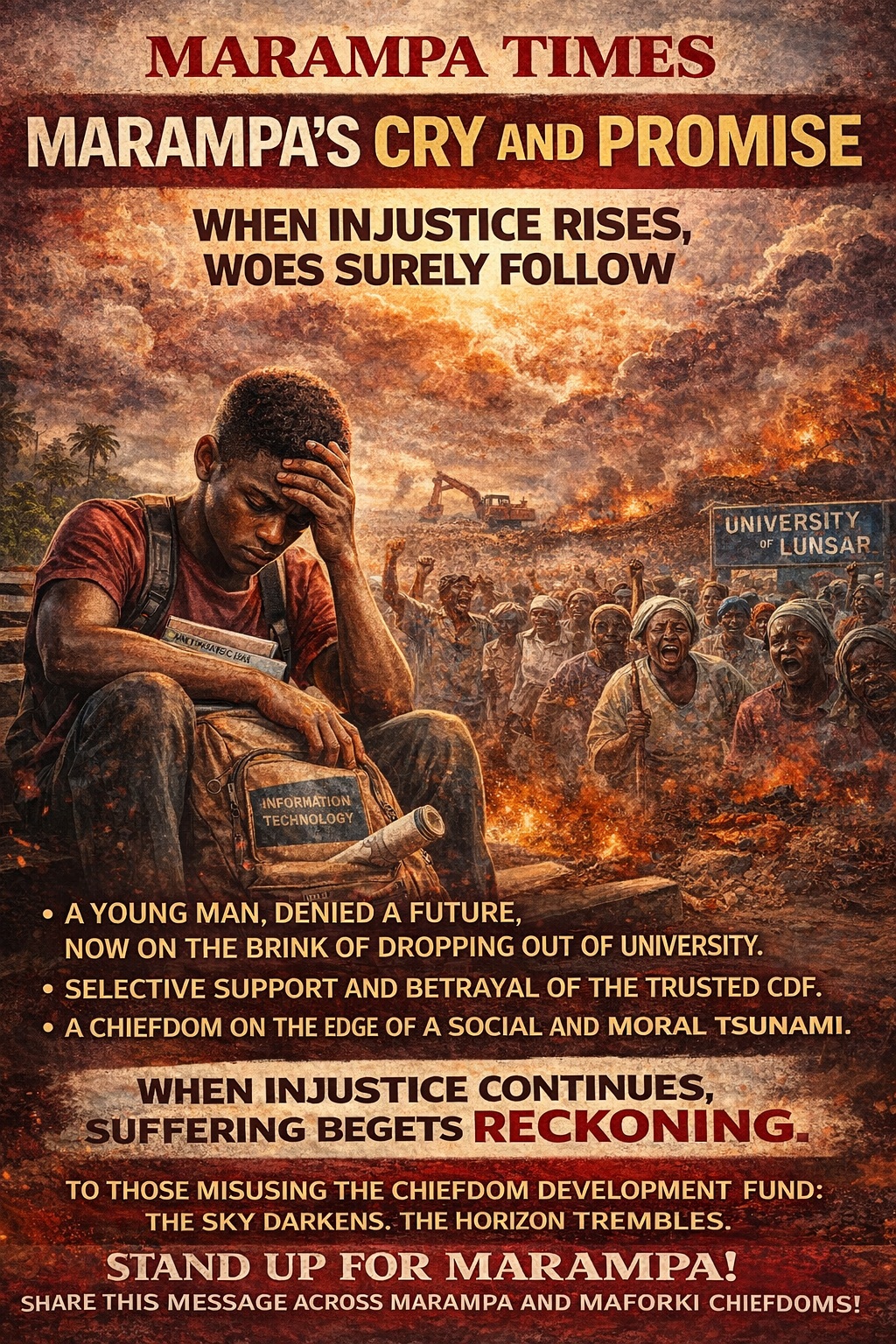
We must confront an uncomfortable truth: no individual or family entrusted with safeguarding our collective development has fully sustained the burden of that trust. One need only observe the social and economic standing of political elites and their descendants to grasp the depth of public disillusionment. Perceptions of unexplained wealth, inherited influence, and entrenched privilege continue to erode confidence in governance—not because success is wrong, but because accountability appears absent.
Even more troubling is the moral inversion now at work. Many of those who once spoke most passionately about reform while in opposition now face criticism for replicating the very practices they once condemned. The language of sacrifice and discipline has too often given way to excess and impunity. In public perception, the problem is no longer which party governs, but how power behaves once obtained.
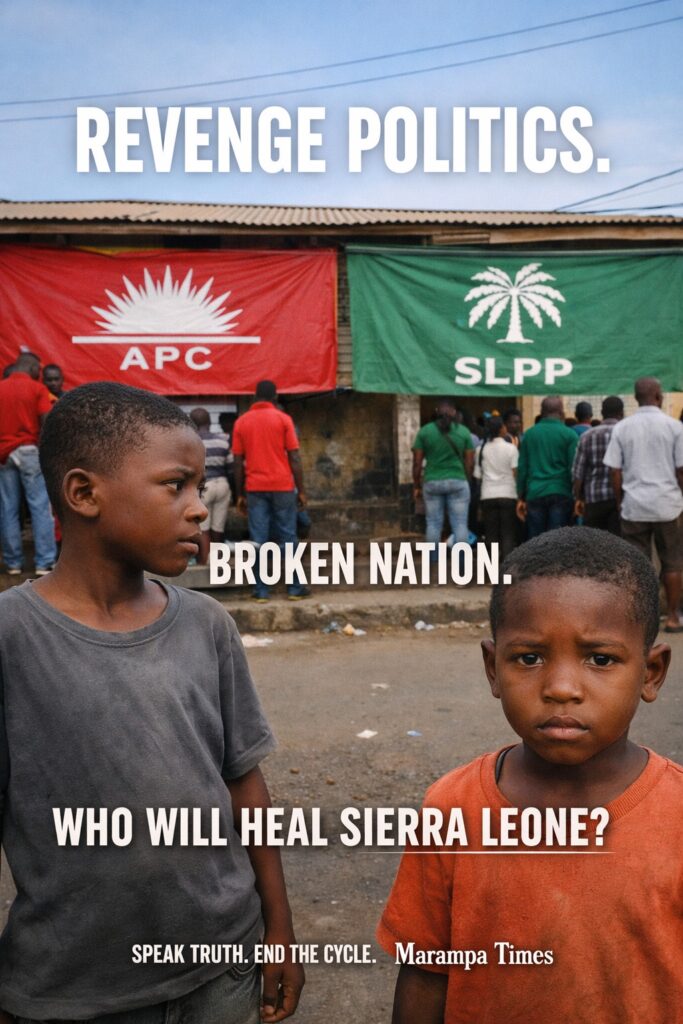
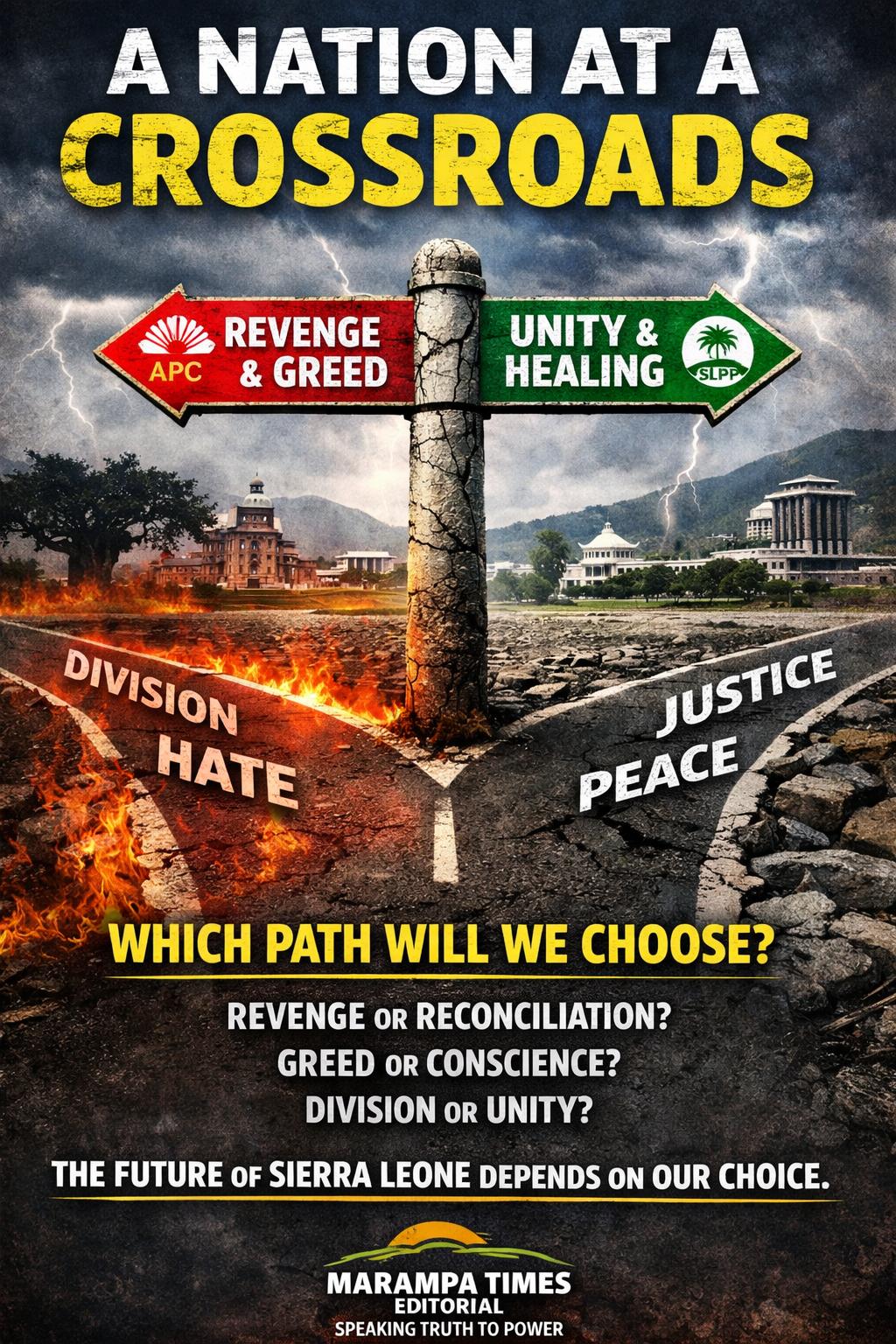
Our nation is now so deeply polarised that the only patience many citizens possess is a dangerous one: “My turn will come, and we will deal with them and take back all they have stolen.” These sentiments are frequently voiced among opposition supporters, including those aligned with the All People’s Congress today. Yet history demands honesty: similar words were widely spoken by supporters of the Sierra Leone People’s Party during their own years in opposition.
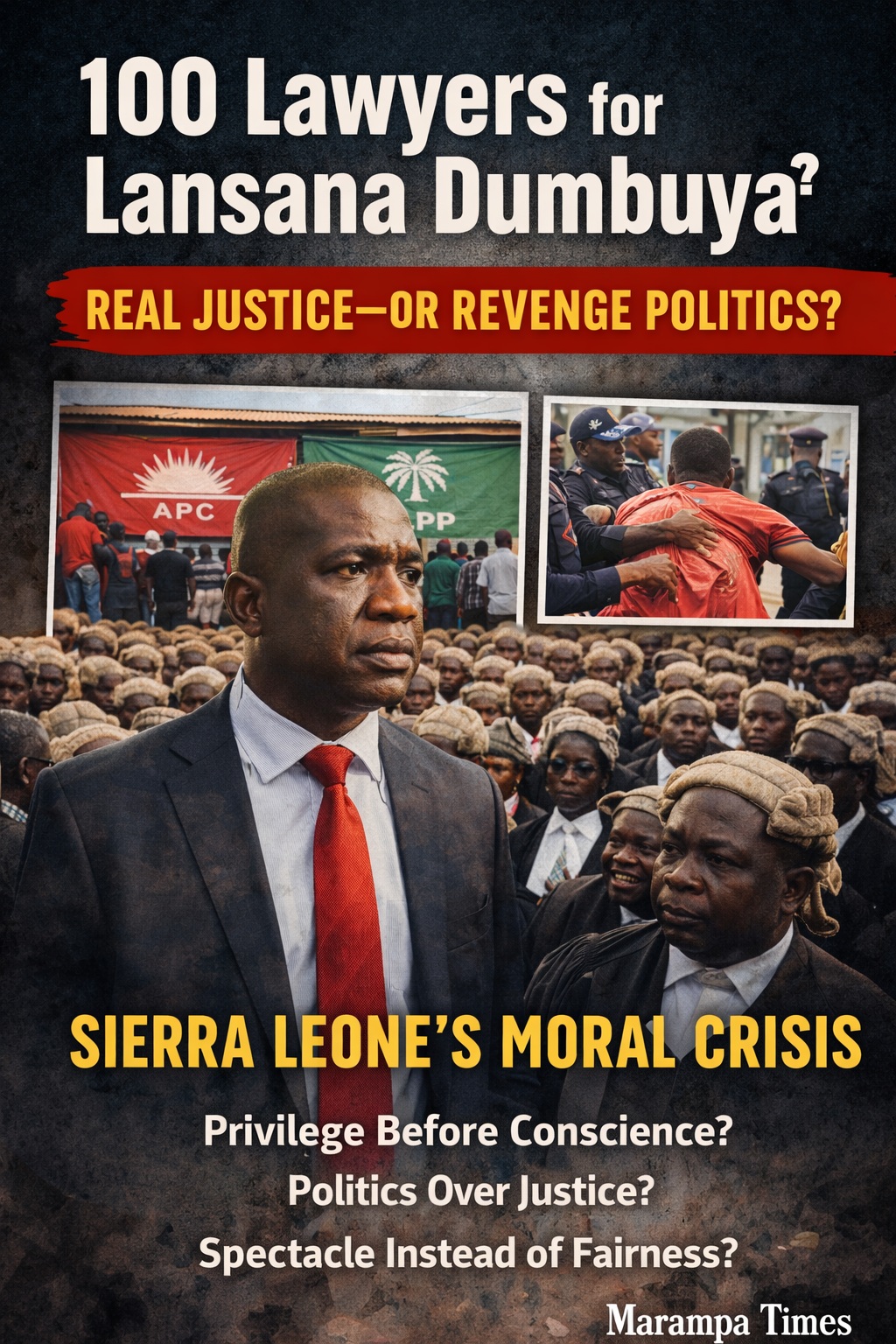
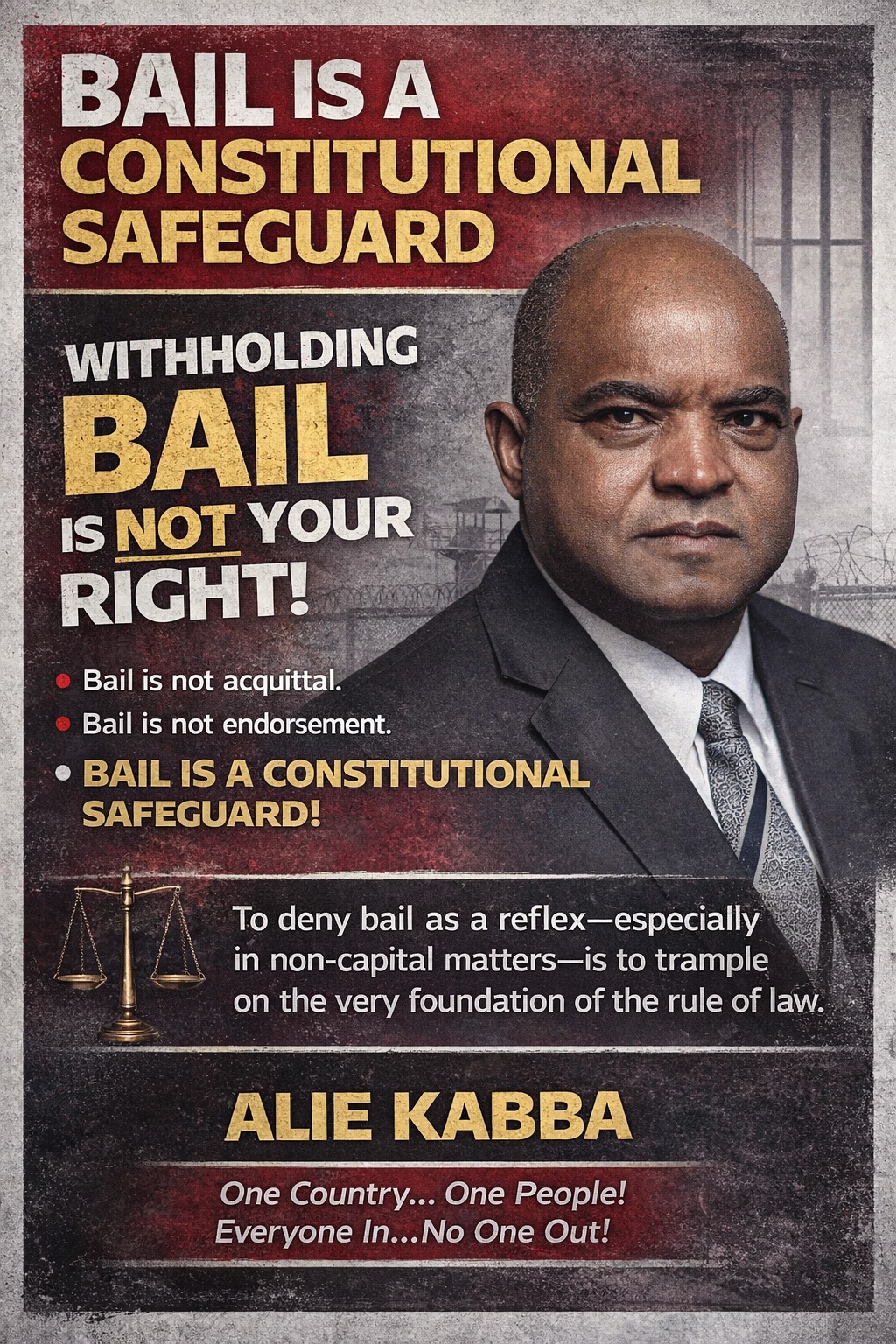
What is different now is not the rhetoric, but the reality that such rhetoric has hardened into governance culture. The use of state power is increasingly perceived—rightly or wrongly—as punitive rather than reconciliatory. Legal processes, security institutions, and administrative actions are often interpreted through a political lens, deepening mistrust and entrenching grievance.
This leads us to the most urgent question of our time: when, and where, does this cycle end?
Who among our leaders—present or aspiring—has the courage and grace to say, “I am bigger than revenge politics. We must all heal. We must live together again as human beings, not enemies.” Without such leadership, elections merely rotate authority between rival camps, each nursing old wounds and preparing new reprisals.
And yet, amid this bleakness, the question must still be asked: is there hope?
Yes—there is hope. But it does not lie solely in parties, personalities, or promises. Hope lives in citizens who refuse to surrender their moral compass. It survives in those who continue to speak, even when silence feels safer. It is preserved, like a fortress, in the belief that justice without vengeance is possible.
To speak out is no longer optional; it is a civic duty. We must raise our voices—not with hatred, but with clarity; not with recklessness, but with courage. And having done our part, we leave the rest to the Almighty, confident that no injustice—however entrenched—outlives truth forever.
Greed and overt rapacity may be rising at an astronomical pace, but history teaches us that moral collapse always carries within it the seeds of its own undoing.
MARAMPA TIMES EDITORIAL: BEYOND PARTIES, BEYOND REVENGE
Sierra Leone’s crisis is no longer about which party governs; it is about whether governance itself can rise above vengeance.
The SLPP–APC pendulum has become a cycle of expectation and retaliation. Each side, once aggrieved, promises reform; once empowered, struggles to resist the temptation to “settle scores.” This is not accountability—it is political inheritance of grievance.
A nation cannot heal if every election reopens wounds rather than closes them. Justice must be firm, impartial, and humane. Reconciliation must be intentional, not rhetorical. And leadership must be measured not by how harshly it punishes opponents, but by how boldly it restores trust.
Marampa Times affirms this principle: power without grace corrodes legitimacy. Silence is not peace. Revenge is not justice. And fear is not stability.
The challenge before Sierra Leone is stark but simple: will we continue rotating anger, or will someone finally choose healing?
History is watching. The people are watching.
The moment demands moral courage—not tomorrow, but now.
The moment demands moral courage—not tomorrow, but now.